Patient Guide6 min read
What Happens in a Free Regenerative Medicine Consultation
A stage-by-stage account of the first call — who is on it, what gets decided later, and the cases we turn away.
Written by the clinicians who run the protocols — what molecular hydrogen and regenerative signaling factors actually do, where the evidence is solid, and where it isn’t. No miracle claims, no before-and-afters.

A stage-by-stage account of the first call — who is on it, what gets decided later, and the cases we turn away.
How H₂ works, how it is delivered, and what a course of hydrogen therapy actually involves.

A gas you can breathe, drink or bathe in, doing something quite specific to the body's oxidative chemistry. The mechanism, the routes, and the honest limits.

There is remarkably little to describe, which is rather the point. The equipment, the timing, and the first two weeks of a starter course.

Drinking it and breathing it are not the same intervention, though they deliver the same molecule. A route-by-route comparison, and why one generator does both.

Well tolerated is not the same as risk-free, and a clinic that promises a treatment is entirely free of adverse effects is telling you something it cannot possibly know.

More antioxidant is not automatically better, because some reactive species are messages the body needs to send. The case for selectivity, and its limits.

Treatment that stops at the clinic door only works while you are in the building. What changes when the equipment lives at your house instead.

Energy, sleep and thinking are where patients tend to notice something before anything else. The mechanism each one rests on, and how much weight it will bear.
Ultra RSF, exosomes and stem cells — what each one is, how they differ, and how signalling factors are made.

The reason so much regenerative research points away from the cells themselves, and what a physician is actually giving when the vial says signaling factors.

Three preparations, three different contents — and a market that blurs them on purpose. A composition-by-composition comparison, with no outcome claims attached.

One organ, six anatomically distinct regions, six different jobs across a pregnancy — and therefore six different sets of instructions to contribute.

Five processing steps stand between placental tissue and a sealed vial of freeze-dried protein. Each one removes, checks or preserves something specific.
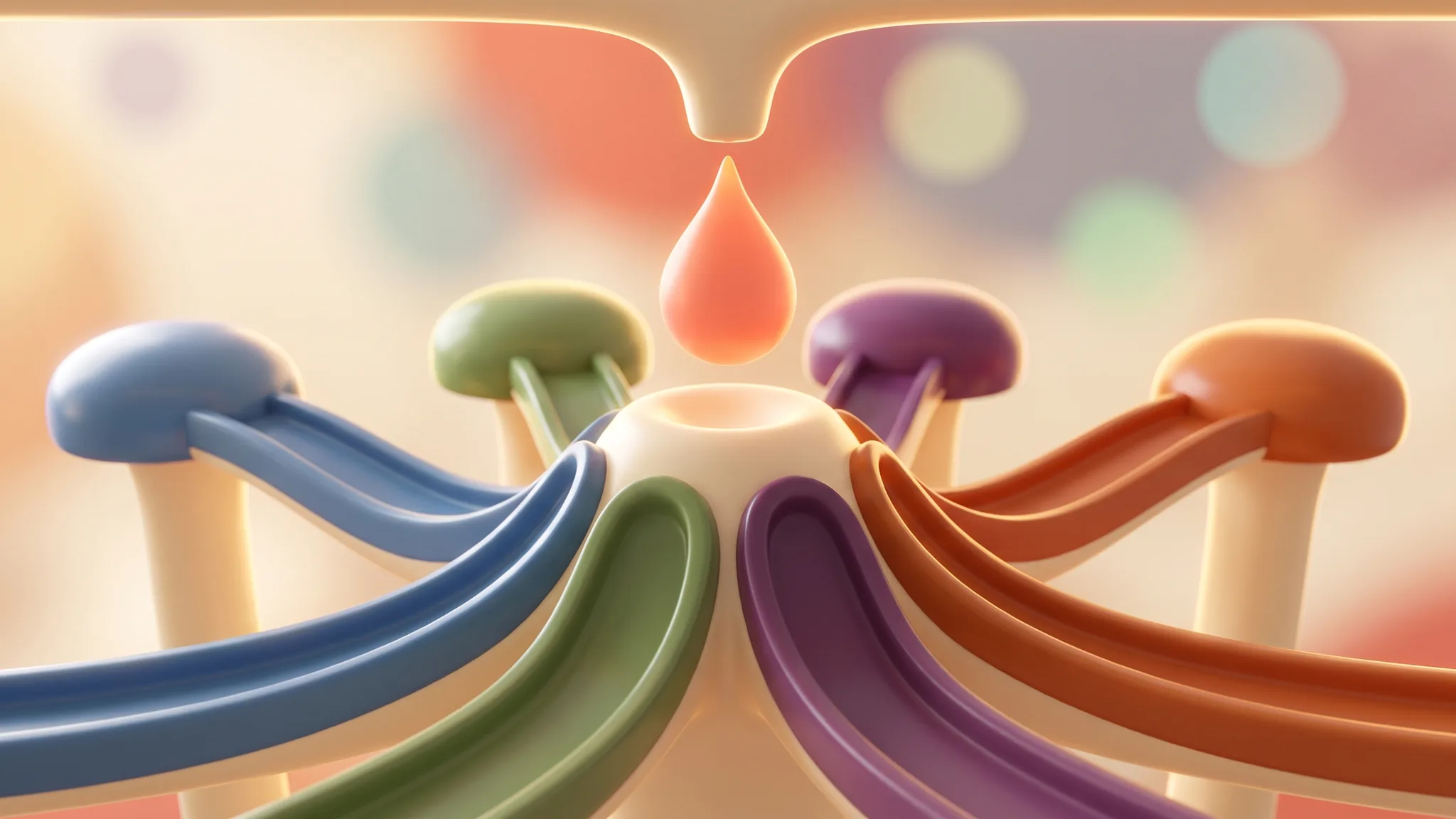
Route is not an administrative detail. It decides where a signalling preparation arrives first, and it is chosen from an evaluation rather than from a menu.

A short answer with a longer explanation behind it: what an acellular signalling concentrate contains, and why the stem-cell label keeps getting attached to it.
Back, knee, neck, shoulder, joint and neuropathic pain, read as a biology problem rather than a symptom to be muted.
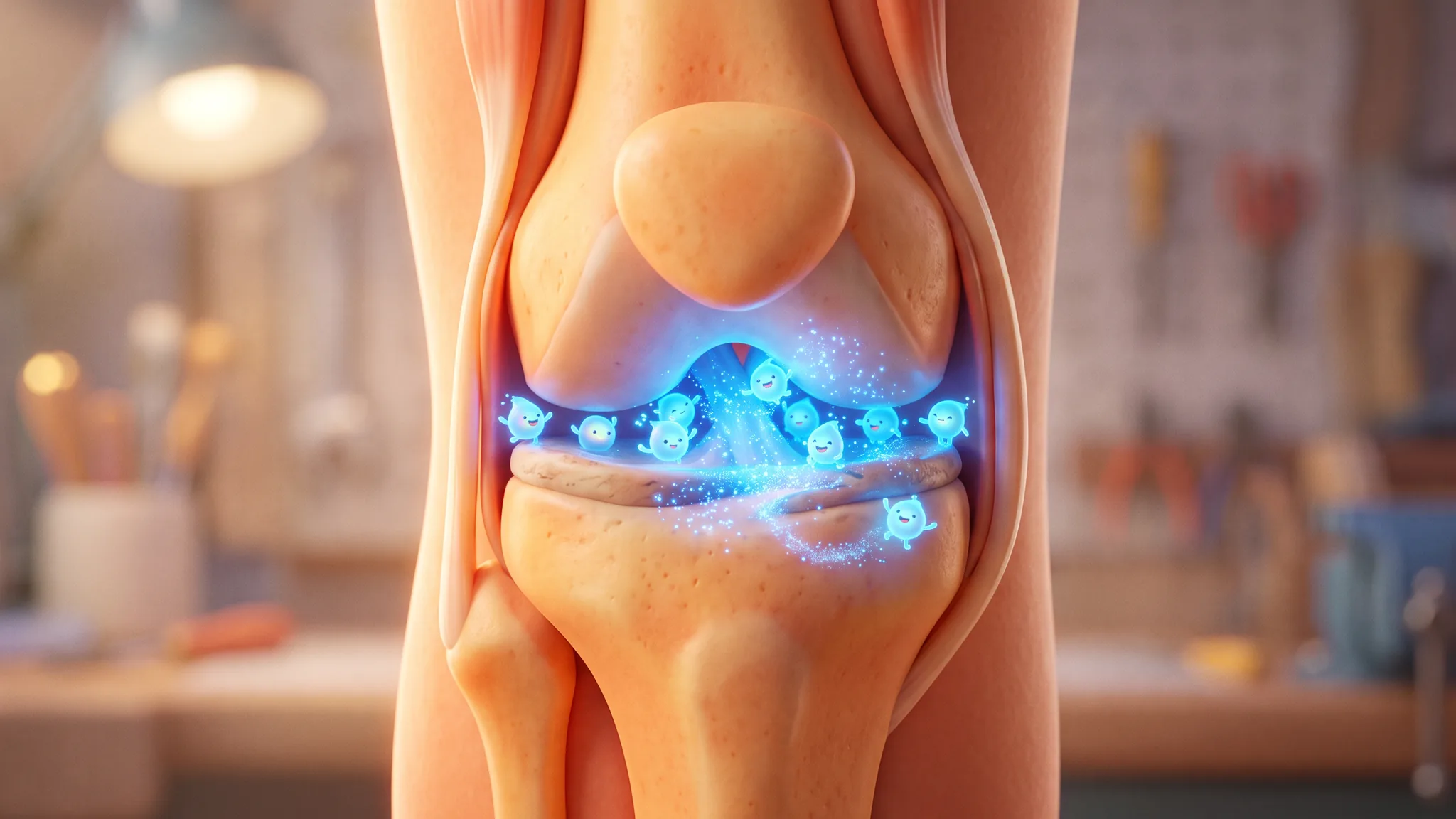
A knee that hurts every day is usually two problems wearing one name. Here is the biological half, the route physicians use to reach it, and the boundary around what any of it can achieve.

Relief that expires on a schedule is information, not bad luck. A look at what symptom-first care leaves untouched in a back that will not settle, and what a biology-first plan can and cannot add.

Burning, electrical, worse at night, present when nothing is being loaded. Nerve pain follows different rules from mechanical pain, and the redox story behind it comes with a large caveat attached.

The shoulder and the neck share tissue, share nerves and share blame, which is why treating the sore spot so often disappoints. What an honest evaluation looks for, and where adjunctive care belongs.
Rheumatoid arthritis, IBD, lupus, MS, Hashimoto's, mold/CIRS and Lyme — conditions defined by inflammation that will not resolve.

Resolution is an active phase of healing, not the absence of one. When it fails to arrive, inflammation idles — and that pattern sits underneath most autoimmune disease.

Adjunctive is a precise word and most clinics use it loosely. Here is what it commits us to, what it rules out, and why none of your RA prescriptions change.

Patients arrive in this territory after years of unremarkable test results and real symptoms. An even-handed look at what these labels establish, and what has to happen first.

Two questions get tangled together in Hashimoto's — the hormone level, and the autoimmune process behind it. Only one has a settled answer, and neither is ours to change.
Oxidative stress, cognition and the neurodegenerative conditions where redox biology is under active study.

The brain generates more oxidative damage than almost any tissue and repairs less of it. Here is what that explains about neurodegeneration, and the point at which the explaining has to stop.

A symptom, not a disease. What brain fog describes, the six ordinary explanations worth excluding before anything else, and why the order you work through them matters.

An explainer, not an offer. Why dopamine chemistry, iron and mitochondria make one small region of the brain a redox problem, and why that is still a long way from a treatment.
Consultations, costs, coordination with your own physicians, in-home care, and how to judge a regenerative clinic.

Two Orlando-area offices, free online consultations in all 50 states, and a short checklist for telling a serious practice from a slick one.

Tissue does not heal in one motion. Three phases in a fixed order, and the reason most people quit before reaching the one that matters.

A consumer-protection checklist for a field that has very little of it — including how we would answer all twelve ourselves.

The consultation happens on a screen, the equipment arrives in a box, and the follow-up is remote. What that model covers, and what it does not.
Everything here is general information about how these protocols work — it is not medical advice, and it cannot tell you whether a treatment is right for your condition. That takes a consultation. 29 articles and counting.
Thirty minutes with one of our physicians, at no cost, to review your history and say plainly whether these protocols are appropriate for you.