Stem Cells vs. Exosomes vs. Regenerative Signaling Factors: An Honest Comparison
Stem cells, exosomes and regenerative signaling factors are three different things sold under one banner. Here is what is actually in each vial, and how they differ.
Regen MDs Clinical Team//7 min read
The short version
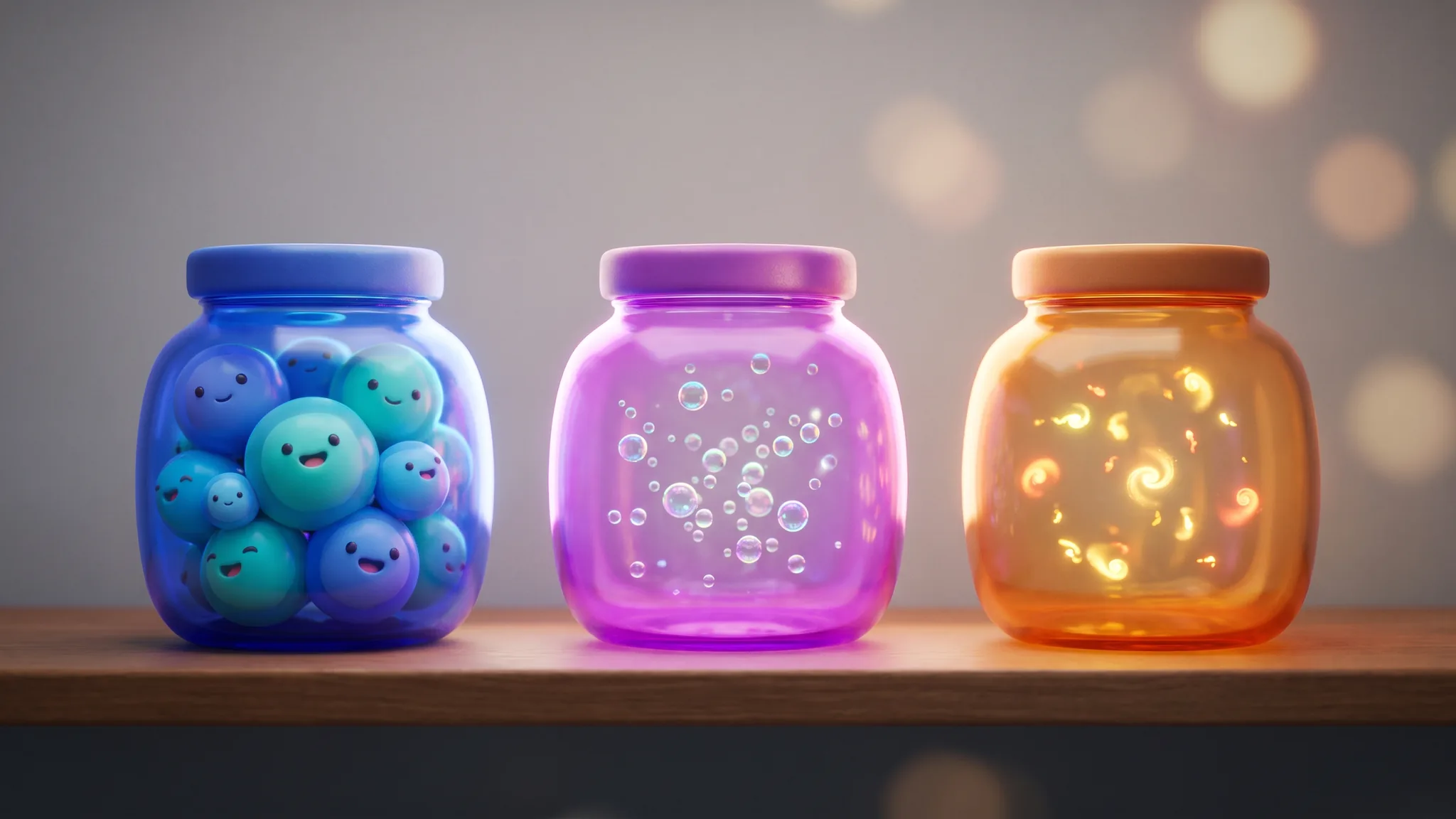
Stem cells are live cells with donor DNA. Exosomes are cell-free vesicles grown from a cultured cell line. Regenerative signaling factors are an acellular protein and growth-factor concentrate with no DNA or RNA at all.
The honest comparison between them is about composition, sourcing and handling — not about which one works better. Nobody has the head-to-head outcome data that claim would require.
Ultra RSF draws from all six regions of the placenta rather than a single tissue, which is a difference in signalling breadth, not a promise of a better result.
Any of the three is a physician's decision inside a directed plan. None of them is a product you should be buying off a website.
Walk into three regenerative medicine clinics and you may be offered three different things under the same heading. One will say stem cells. One will say exosomes. One will say signaling factors. The brochures look similar, the prices are in the same range, and the words are used loosely enough that most patients leave without knowing which they were actually offered.
They are not the same. What is in the vial differs, how it was obtained differs, how it has to be stored differs, and what a clinic can honestly claim about it differs. This article compares them on those grounds — composition, sourcing, handling — and stops there. The moment a comparison starts ranking these by outcome, it has left the evidence behind.
What is actually in each one
Start with the simplest question, the one that decides everything downstream: what are you receiving?
Stem cells
Exosomes
Ultra RSF
What you receive
Live cells
Cell-derived vesicles carrying signals
Proteins and growth factors from six placental regions
Cell & genetic material
Live cells and donor DNA
Cell-free, but cell-derived
Acellular — no DNA or RNA
How it is obtained
Invasive harvest
Grown from a cultured cell line
Ready to use, nothing harvested
Batch consistency
Varies donor to donor
Variable composition
Characterised by sequencing and mass spectrometry
Handling & shelf life
Fragile, cold chain throughout
Limited shelf life
Lyophilised, reconstituted at point of use
Signalling persistence
Days
Days
Designed to persist for weeks
Every row is a question about composition, sourcing or handling — the things that can be verified from a certificate of analysis. None of them is a claim about which approach produces a better clinical result.
Stem cells: living material, with everything that implies
A stem-cell preparation contains living cells. That is its genuine strength — cells can respond to the environment they land in, and they keep producing signals for as long as they survive. It is also the source of every practical difficulty attached to them.
Live cells carry donor DNA. They have to be harvested, which is invasive for whoever is donating and, in the autologous case, invasive for you. They vary from donor to donor, so two vials of the same product are not the same material. And they are fragile: cold chain from the lab to the arm, with no room for a courier delay.
None of that makes stem cells a bad idea. It makes them a logistically demanding one, and it is the reason a great deal of research has gone into finding out how much of the benefit comes from the cells themselves and how much comes from what they secrete. That question is what regenerative signaling factors are an answer to.
Exosomes: the signal without the cell
Exosomes are small vesicles that cells release, packaged with proteins and RNA. They are the answer to the question the previous paragraph raises — if the useful part is the message rather than the messenger, collect the message.
Exosome preparations are cell-free, which removes the live-cell problem. But they remain cell-derived: they are grown from a cultured cell population, which means the composition depends on how that culture behaved on that day. Shelf life is limited. And because they come from one cell line, the range of signalling they carry is the range that line produces.
Regenerative signaling factors: acellular, and drawn from six regions
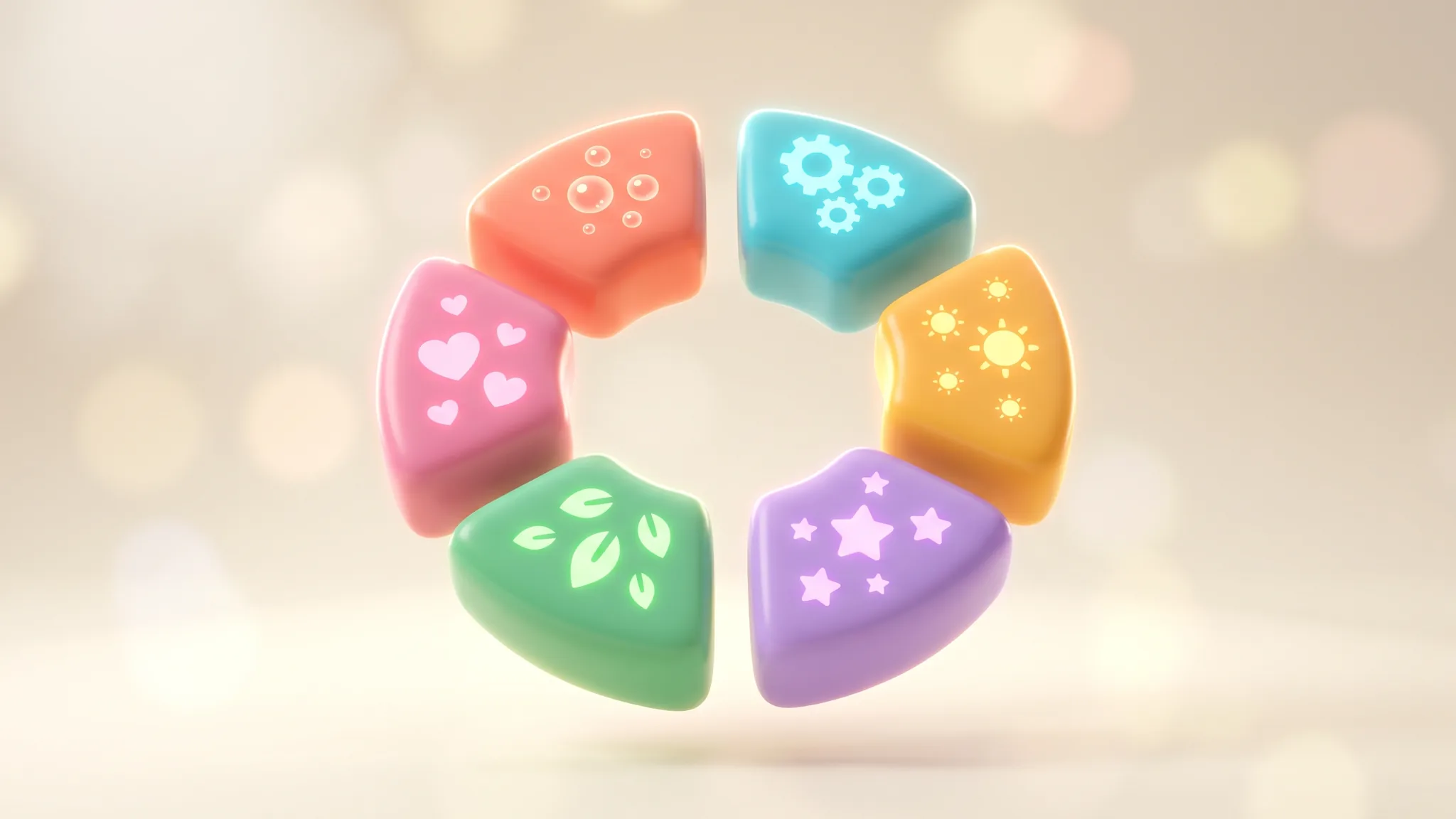
Ultra RSF (Regenerative Signaling Factors) takes the same premise one step further. Rather than collecting vesicles from a cultured line, it concentrates the proteins and growth factors themselves — and it draws them from six distinct regions of the placenta rather than one tissue.
Those six regions are the decidua, the villous placenta, umbilical cord blood, Wharton's jelly, the amnion, and the chorion. Each has a different job during pregnancy, and each therefore carries a different vocabulary of signals: implantation and immune tolerance from one, exchange and growth-factor transfer from another, structural matrix cues from a third. Drawing from all six is a difference in breadth. It is not, on its own, a claim that the result is better — only that the input is wider. There is a piece on what each region contributes, and a shorter summary on the treatment page.
The material is washed and disinfected under GMP conditions, then purified until it is fully acellular — no living cells, no DNA, no RNA. Donor material is screened under 21 CFR 1271.55, and composition is characterised by next-generation sequencing and mass spectrometry. It is then freeze-dried, which is why it ships and stores without a cold chain and is reconstituted with sterile water at the point of use. The full manufacturing sequence is worth reading if the processing is the part you want to interrogate.
Why nobody should be ranking these by outcome
The comparison above is deliberately confined to what can be verified. That is not modesty for its own sake. It is because the head-to-head trials that would justify an outcome ranking — same condition, same patients, randomised between the three, followed long enough to matter — have not been done.
What you will find instead, on manufacturer sites and clinic pages alike, are numbers with no citation behind them: multiples of potency, percentages of improvement, claims of complete safety. Some of the supporting graphics circulating in this industry appear to have been generated by AI. Treat all of it the way you would treat any unsourced medical figure — as marketing.
If a clinic quotes you a number, ask where it came from. If the answer is a brochure, you have your answer.
How the choice is actually made
In practice you are not choosing between three products in a catalogue. A physician is choosing an approach for a condition, a severity and a set of goals — and then choosing a route, a dose and a frequency inside that approach. Ultra RSF can be given intravenously, into a specific joint, subcutaneously, or intranasally, and which of those routes is appropriate depends entirely on what is being treated.
01
Evaluation first
History, current medications, imaging and labs where relevant, and an honest read on severity. This is where a plan gets ruled out as often as ruled in.
02
Approach, then route
The preparation and the delivery route are chosen together — an inflamed knee and a systemic inflammatory picture are not the same problem and do not get the same answer.
03
Alongside your existing care
Regenerative protocols are adjunctive. They sit next to your guideline-based treatment, with notes shared back to your own physicians, and they do not replace anything you are already on.
Is Ultra RSF the same as stem cells?
No. Ultra RSF is cell-free and DNA-free. It delivers the signals cells release rather than the cells themselves, which is a materially different thing from a stem-cell preparation.
Are exosomes better than stem cells?
There is no reliable head-to-head evidence that supports ranking them. They differ in composition, sourcing and handling. Anyone who tells you one is definitively superior for your condition is going beyond what the published evidence supports.
Why does the number of placental regions matter?
Each region of the placenta carries out a different function and releases a different profile of signalling proteins. A six-region concentrate therefore contains a broader range of signals than a single-region extract. That is a statement about breadth of input, not about clinical outcome.
Does Ultra RSF need to be kept frozen?
No. It is lyophilised — freeze-dried — which is what allows consistent batch-to-batch handling without a cold chain. It is reconstituted with sterile water immediately before use.
Can I buy any of these directly?
Not from us. Ultra RSF is administered by a physician as part of a directed plan and is never supplied as a standalone product. Be cautious of anyone selling regenerative preparations without an evaluation attached.
This article is general health information, not medical advice, and does not create a physician–patient relationship. It describes mechanisms reported in the literature rather than guaranteed outcomes; individual response varies. Regen MDs provides you an alternative to your current care, and is complementary to your guideline-based medical care. Ultra RSF (Regenerative Signaling Factors) is not a stem-cell therapy. It is an acellular, non-biologic protein preparation — no cells, no DNA and no RNA. Talk to a licensed clinician before starting, stopping, or changing any treatment.